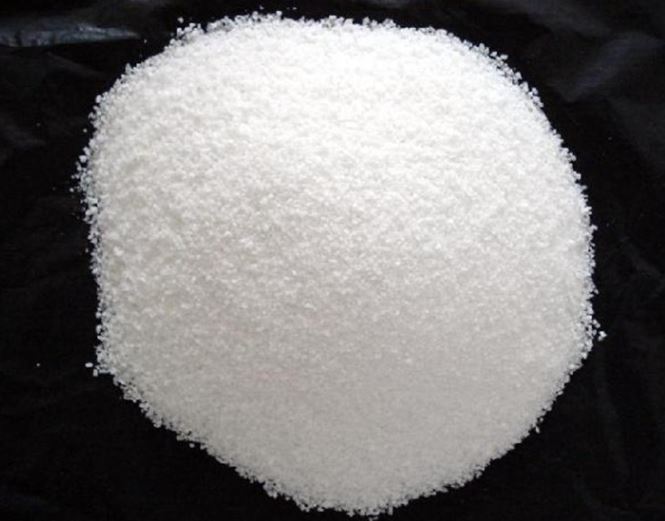

1. Basic Product Information
Product Name: Citric Acid Monohydrate
Chemical Name:Citric Acid Monohydrate
Alias2-Hydroxypropane-1,2,3-tricarboxylic Acid Monohydrate
Molecular Formula: C₆H₈O₇·H₂O
Molecular Weight: 210.14
CAS No.: 5949-29-1
HS Code: 291814
AppearanceColorless translucent crystals or white crystalline particles/powder, uniform grain size, dry and fluffy with good fluidity. No black spots, no impurities, no caking, odorless with a pure and strong sour taste.
Product Introduction: Citric Acid Monohydrate is a mainstream and widely used organic acid raw material in the market. It is produced by refined fermentation technology using high-quality corn and potato raw materials with high purity, low impurities and stable quality. The product is divided into general industrial grade and food grade. Food grade complies with GB 1886.235-2016 national food safety standard and meets international standards including FCC, USP, BP and E330. Industrial grade implements GB/T 8269-2006 industry standard. Containing crystal water, it features moderate stability at room temperature and higher cost performance than citric acid anhydrous. It exhibits excellent performance in acidity regulation, metal chelation, anti-oxidation, color protection, corrosion prevention and water softening. With fast dissolution speed and mild & safe reaction characteristics, it is widely applied in food processing, daily chemicals, beauty products, fine chemicals, electroplating cleaning, water treatment, building material retarding, pharmaceutical accessories and other industries. It is one of the most versatile and cost-effective organic acid raw materials for industrial and food production.
2. Physical and Chemical Properties
Citric Acid Monohydrate appears as colorless transparent crystals or white crystalline powder with a pure and mild sour taste and no peculiar smell. It is stable under conventional conditions, effloresces easily in dry air, and has slight hygroscopicity in a humid environment, which may cause slight caking if exposed to air for a long time. It is extremely soluble in water with an ultra-fast dissolution rate, forming a clear and transparent aqueous solution without sediment or impurities. The pH value of a 50g/L aqueous solution is about 1.85 with stable and mild acidity. It is soluble in ethanol and slightly soluble in ether and other organic solvents. The density is 1.54g/cm³. It loses crystal water at about 100℃ and decomposes gradually under high temperature. Owning strong metal chelating capacity, it can effectively complex calcium, magnesium, iron, copper, and other metal ions, achieving outstanding effects of anti-oxidation, browning prevention, bacteriostasis, and water softening. The uniform and dry grains are highly adaptable to automated continuous feeding production lines.
3. Executive Standards & Technical Specifications (Dry Basis)
Executive Standard: GB/T 8269-2006 Industrial Citric Acid, GB 1886.235-2016 Food Additive Citric Acid, compliant with FCC/USP/BP/E330 international standards
Product Grade: General Industrial Grade, Food Grade

4. Core Product Characteristics
1. High Purity & Stable Batch Quality: The main content meets standard requirements steadily, with strictly controlled trace impurities such as sulfate, oxalate, heavy metals and arsenic. The grains are uniform and pure without variegated colors or black spots, ensuring zero fluctuation of batch indicators and adapting to various standardized and refined production processes.
2. Pure Sour Taste & Excellent Regulation Performance: It has a soft and pure sour taste without a pungent peculiar smell. The pH adjustment is accurate and controllable with superior acid-base buffer capacity, which can stabilize the pH value of various formula systems and effectively improve product taste and system stability.
3. Powerful Chelation, Color Protection & Anti-Oxidation: With a ternary organic acid structure, it owns strong metal complexing ability, which can effectively chelate calcium, magnesium, iron and other ions in water and raw materials, avoiding oxidative browning, turbidity and precipitation of products, and delivering remarkable color protection, fresh-keeping, bacteriostasis and anti-oxidation effects.
4. Rapid Dissolution & Clear Solution Without Residue: It has excellent water solubility, dissolving completely and rapidly at room temperature without residues or floating impurities. The aqueous solution is transparent and clear, suitable for sterile production, precise proportioning, high-end daily chemicals and fine food processing scenarios.
5. Safe & Compliant with Wide ApplicationFood grade is non-toxic, harmless and completely metabolizable by the human body. It complies with multiple domestic and international food and medical safety standards, and can be safely used in high-safety scenarios such as food, maternal and infant daily chemicals, and pharmaceutical accessories.
6. High Cost Performance & Strong Versatility: Compared with anhydrous citric acid, it has lower use cost and higher cost performance under normal temperature working conditions. It can completely replace anhydrous citric acid in conventional scenarios such as food, daily chemicals, industrial cleaning and building material retarding, serving as a highly adaptable and universal organic acid raw material.
7. Good Powder Fluidity for Automatic Production: The grains are dry and fluffy with low dust and no material blockage. It supports precise feeding and continuous mass production of automated assembly lines without equipment jamming or caking, greatly improving production efficiency.
5. Main Application Fields
Food Processing Industry (Food Grade Exclusive): As a national standard compliant food additive, it is mainly used as acidity regulator, flavor improver, anti-oxidation color fixative, preservative and dough leavening agent. Widely applied in fruit juice, carbonated drinks, candies, chocolates, baked pastries, canned food, preserved fruits, dairy products, frozen food and wine brewing, it optimizes product flavor, inhibits bacterial growth, prevents ingredient oxidative discoloration and extends product shelf life.
Daily Chemical & Beauty Industry: Used in facial cleanser, toner, facial mask, lotion, shampoo, body wash and other washing and care products. It acts as a mild pH regulator, keratin softener and anti-oxidation stabilizer, balancing formula pH value, improving product mildness and delaying oxidative deterioration of raw materials, which is suitable for sensitive skin daily chemical formula production.
Fine Chemical & Electroplating Industry: Served as chelating agent, buffer and catalyst for chemical synthesis; it is a special complexing agent and metal surface cleaner in electroplating industry, which can soften water quality, remove metal oxide layers, activate substrate surfaces, and improve the uniformity, adhesion and smoothness of coatings to optimize electroplating effects.
Cleaning & Water Treatment Industry: As a phosphorus-free and environmentally friendly cleaning auxiliary, it is widely used for boiler descaling, pipeline derusting, household appliance descaling and industrial equipment oil & rust removal. In sewage treatment, it adjusts water pH value, chelates heavy metal ions, purifies and softens water with environmental protection performance and stable cleaning effect.
Building Material & Concrete IndustryUsed as a special concrete retarder and water-reducing auxiliary, it effectively delays cement solidification speed, prolongs the construction window period, improves concrete fluidity, compactness, and workability, and prevents cracking, delamination, and sanding of building materials, suitable for large-scale engineering and commercial concrete production.
Pharmaceutical & Biological Fermentation Industry: Applied as an acidity regulator, pharmaceutical auxiliary, and slow-release stabilizer for pharmaceutical preparations. In biological fermentation processes, it accurately controls system pH value, stabilizes strain activity, and improves fermentation conversion rate and production efficiency.
Textile Printing & Dyeing Industry: Used as fabric pH neutralizer, leveling auxiliary and metal ion chelating agent to remove residual impurities and hard water ions on fabric surface, stabilize dyeing effect, prevent fabric yellowing and discoloration, and improve the color uniformity and washing fastness of printed and dyed products.